Thoracic Outlet Syndrome: When Nerves and Blood Vessels Become Compressed
Posted by Dennis R Escalera on 3rd Mar 2026
What Is Thoracic Outlet Syndrome?
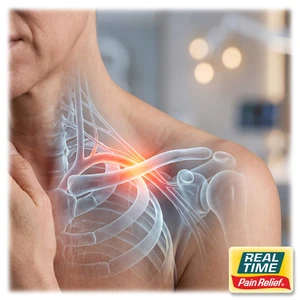
Thoracic Outlet Syndrome (TOS) refers to a group of conditions that occur when nerves or blood vessels are compressed in the space between the collarbone (clavicle) and the first rib. This narrow passageway is known as the thoracic outlet.
The structures that pass through this region include:
- The brachial plexus (a network of nerves supplying the arm)
- The subclavian artery
- The subclavian vein
When compression occurs, individuals may experience pain, numbness, tingling, weakness, or circulation changes in the shoulder, arm, or hand.
TOS is classified into three main types:
- Neurogenic TOS – Involves compression of the brachial plexus nerves (most common type)
- Venous TOS – Involves compression of the subclavian vein
- Arterial TOS – Involves compression of the subclavian artery (least common but potentially serious)
Why Symptoms May Flare During Seasonal Changes
Spring often brings changes in activity levels. As people become more active after colder months, repetitive shoulder movements, overhead lifting, yard work, or increased exercise can stress the neck and shoulder region.
Cold-weather muscle guarding from winter can also leave tissues tight and shortened. When combined with increased movement in spring, this can worsen nerve compression.
Poor posture — especially forward head posture and rounded shoulders — further narrows the thoracic outlet space.
Common Symptoms
Symptoms vary depending on the type of TOS but may include:
- Neck, shoulder, or arm pain
- Numbness or tingling in fingers
- Weak grip strength
- Cold sensation in the hand
- Swelling in the arm (venous TOS)
- Color changes in the hand (arterial involvement)
Neurogenic TOS is responsible for approximately 90% of cases.
Who Is at Risk?
Risk factors include:
- Repetitive overhead activity
- Prior neck or shoulder injury
- Whiplash trauma
- Poor posture
- Anatomical variations such as a cervical rib
- Occupations requiring prolonged arm elevation
Athletes such as swimmers, baseball pitchers, and weightlifters may be particularly susceptible.
Diagnosis
Diagnosis typically includes:
- Physical examination
- Postural assessment
- Provocative tests (Adson’s test, Roos test)
- Imaging (X-ray, MRI, ultrasound)
- Nerve conduction studies (if neurogenic involvement is suspected)
Because symptoms overlap with cervical radiculopathy and carpal tunnel syndrome, accurate evaluation is essential.
Conventional Treatment Approaches
Treatment depends on severity and type:
- Physical therapy focused on posture correction and strengthening
- Stretching tight scalene and pectoral muscles
- Anti-inflammatory medications
- Activity modification
- In severe vascular cases, surgical decompression
Many patients improve with conservative care.
How Topical Pain Relief Creams with Nature’s Ingredients May Help
While topical products do not correct structural compression, they may help reduce localized discomfort and muscle guarding in surrounding tissues.
Ingredients commonly studied for musculoskeletal support include:
- Menthol – Activates cold-sensitive receptors, creating a cooling sensation that may help reduce pain perception.
- Capsaicin – Derived from chili peppers; may reduce Substance P, a neurotransmitter involved in pain signaling.
- Arnica montana – Traditionally used for bruising and muscle soreness.
- Magnesium – May support muscle relaxation when applied topically.
- Camphor – Provides a warming sensation that can improve comfort.
When applied to the neck, shoulder, and upper chest area (avoiding sensitive structures), topical creams may:
- Reduce superficial muscle tension
- Improve comfort during stretching exercises
- Support participation in physical therapy
- Provide temporary relief during flare-ups
Consistency and proper posture correction remain essential.
Lifestyle Strategies to Support Recovery
- Posture correction exercises
- Ergonomic workstation adjustments
- Shoulder blade strengthening
- Gentle stretching of chest muscles
- Avoiding prolonged overhead activity
- Gradual return to spring activities
References
National Institute of Neurological Disorders and Stroke. Thoracic Outlet Syndrome Information Page.
https://www.ninds.nih.gov/health-information/disorders/thoracic-outlet-syndrome
Mayo Clinic. Thoracic outlet syndrome.
https://www.mayoclinic.org/diseases-conditions/thoracic-outlet-syndrome/symptoms-causes/syc-20353988
American Academy of Orthopaedic Surgeons. Thoracic Outlet Syndrome.
https://orthoinfo.aaos.org/en/diseases--conditions/thoracic-outlet-syndrome