Deconditioning: What Happens When We Stop Moving
Posted by Dennis R Escalera on 2nd Nov 2026

When familiar effort feels unfamiliar
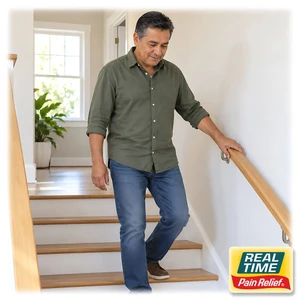
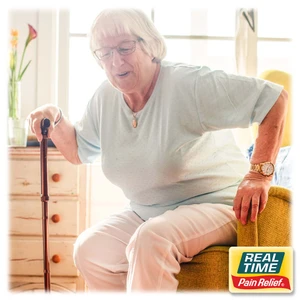
After a period of reduced activity, an ordinary task may feel surprisingly demanding. Carrying laundry takes more effort. A usual walk needs a pause. An afternoon of errands leaves you more tired than you expected. The change can be frustrating, especially when you remember how easily you once managed the same routine.
One possible contributor is deconditioning: a reduction in physical capacity associated with reduced activity or disuse. It can involve muscular strength, endurance, and cardiovascular fitness. However, feeling tired or weak does not establish the diagnosis. Illness and other health problems can also change what you can do.
The useful response begins with understanding what has changed. Rather than judging yourself against your former routine, consider your current ability, the reasons activity decreased, and what kind of rebuilding is appropriate now.
Capacity includes more than muscle size
Muscle size is only one part of physical function. Strength is the force you can produce; endurance is your ability to sustain or repeat effort. Cardiovascular fitness affects how the body supports sustained activity. These capacities can change differently during a period of disuse.
A systematic review of experimental disuse studies found that strength and cardiovascular fitness could decline more substantially than muscle mass. The research involved conditions such as bed rest, limb immobilization, and unloading, so its results should not be treated as a precise forecast for an ordinary quiet week. [1]
The finding nevertheless illustrates an important distinction: looking much the same does not guarantee that an activity will feel the same. Conversely, a difficult day does not tell you how much muscle you have lost. Appearance and subjective effort provide an incomplete picture.
Why the reason for inactivity matters
Activity can decrease for many reasons. Surgery may require restrictions. An injury may make certain movements unsuitable. Illness can reduce energy or exercise tolerance. Changes in work, transportation, or caregiving responsibilities can also alter a person's opportunities to move.
Those situations should not be treated as identical. Someone recovering from an operation needs to follow the surgical team's instructions. Someone who has gradually stopped taking walks may have a different starting point. A person with unexplained exhaustion may need assessment before choosing an exercise plan.
Necessary rest is not a mistake. The aim is to support recovery and preserve or rebuild function when it is appropriate. That means respecting the reason activity changed, rather than applying “use it or lose it” as a command to push through every symptom.
Separate a limitation from a judgment
“I am out of shape” can sound like a personal verdict. “I can currently walk comfortably to the corner, but the longer route is difficult” describes a usable observation. It also identifies a possible starting point for a conversation about activity.
Choose a task that matters to you. Perhaps you want to prepare dinner without needing an extended rest, walk through a favorite store, or carry a light basket between rooms. Think about which part has become harder and whether the change developed gradually or suddenly.
This does not replace clinical testing. It gives your goals a practical shape. Restoring the ability to do something meaningful is often a better guide than chasing an exercise number that has little connection to your daily life.
Begin with the body you have today
Physical-activity guidance encourages inactive adults to start with small amounts and build gradually. Some activity is better than none, and the starting level should reflect current capacity rather than the eventual target. [2]
A person who once walked for half an hour may need a shorter initial outing after a break. Another person may be more comfortable with an adapted activity. What matters is choosing something manageable, then observing how it fits into the rest of the day.
You do not have to prove that your former ability still exists. Nor should a modest starting point be mistaken for a permanent limit. Think of it as information about the present. A useful plan begins there and makes room for revision as your circumstances change.
Keep rebuilding specific
Walking can be useful, but it is not the only kind of activity. Muscle-strengthening work places a different demand on the body. Public-health guidance includes both aerobic and strengthening activity, and older adults also benefit from activities that address balance. [3,4]
The particular combination depends on your needs. Someone who finds carrying objects difficult may want help selecting appropriate strengthening work. Someone whose main goal is a longer walk may need a different emphasis. Following a generic routine does not guarantee that it addresses the activity you are trying to regain.
Ask how each part of a plan connects to your goal. A clear explanation makes it easier to understand the purpose of practice and to notice whether the routine is helping. It also makes it easier to discuss changes when it is not.
Make progress easier to interpret
If you change the length, speed, terrain, and load of an activity at the same time, it can be difficult to know what caused a problem. A familiar route or repeatable task offers a clearer point of comparison.
For example, you might record that a short walk felt manageable on two separate occasions. That is useful information even if the walk is not yet longer. You can then discuss an appropriate next step rather than assuming every session must be harder than the last.
A simple note can include what you did, how it felt, and whether it affected later activities. Treat the record as a conversation aid, not a scorecard. A plan should help you function in daily life, rather than compete with the tasks that already matter to you.
Activity goals are destinations
For many adults, the general public-health target is at least 150 minutes of moderate-intensity aerobic activity each week, together with muscle-strengthening activity on two days. This is a broad health recommendation, not a required first week of rehabilitation. [3]
Activity can be accumulated in shorter periods. A person starting below the guideline level can still benefit from movement. People with chronic conditions should discuss suitable types and amounts with their healthcare professional, and inactive people should seek advice before beginning vigorous activity. [3]
Keeping these distinctions clear prevents a common misunderstanding: a guideline is not a test you have failed because you cannot meet it today. Its role is to guide appropriate progress, with adaptations when necessary. Your immediate goal may be much smaller and still worthwhile.
Build a routine that has room to last
Daily life rarely provides a perfect exercise schedule. Work changes, appointments run late, and family responsibilities compete for attention. A routine that depends on ideal conditions may be difficult to sustain.
Consider where a manageable activity fits naturally. It might follow breakfast or occur before an evening television program. Choose an option you enjoy and an arrangement that does not create unnecessary obstacles. National Institute of Diabetes and Digestive and Kidney Diseases (NIDDK) recommends enjoyable activities, realistic goals, and gradual increases as ways to get started. [5]
This is planning, rather than a promise that motivation will solve a health limitation. If symptoms or restrictions prevent an activity, change the plan with appropriate guidance. Consistency is most useful when the activity itself suits your situation.
Ask for support when the starting point is unclear
Rebuilding after illness or injury may involve more than deciding to exercise. A clinician can help determine whether ongoing symptoms need investigation and what restrictions still apply. Physical therapy or another supervised program may be appropriate when function has changed substantially.
Bring specific questions: What activity is suitable now? What should I avoid? How will we judge improvement? What symptoms mean I should stop and seek advice? These questions make the plan easier to use at home.
If even a small amount of activity causes marked or prolonged worsening, report that response rather than repeatedly increasing the effort. The right approach depends on the underlying condition.
Do not explain away new symptoms
Sudden weakness, chest pain, fainting, or severe unexplained breathlessness calls for urgent medical attention, rather than an assumption that you have become unfit. Persistent or worsening difficulty with normal activities also deserves assessment. Exercise guidance identifies chest pain, extreme breathlessness, and dizziness as reasons to stop activity and seek help. [5]
Less dramatic changes still merit a useful conversation. Tell your clinician how long the problem has lasted, what preceded it, and what activities are now difficult. The explanation may involve deconditioning, but it should be established in context. Having a plausible explanation is different from having the right explanation.
Support comfort without confusing the goal
Real Time Pain Relief ORIGINAL offers temporary relief for minor pain within its labeled uses. For an appropriate minor ache, a product formulated with Nature’s Ingredients may be one part of a broader comfort routine when used as directed. [6]
It does not rebuild strength or cardiovascular fitness, and feeling more comfortable does not establish that a larger activity increase is suitable. Physical capacity, symptom management, and treatment of an underlying condition may each require different steps.
Rebuilding begins with understanding where you are. Choose a meaningful goal, find an appropriate starting point, and allow the plan to respond to your health and daily experience. Progress does not have to look dramatic to matter. An ordinary task becoming manageable again can be a valuable change.
Editorial References
Deconditioning: What Happens When We Stop Moving
[1] The role of muscle disuse in muscular and cardiovascular fitness: A systematic review and meta-regression.https://pmc.ncbi.nlm.nih.gov/articles/PMC11235952/
[2] U.S. Department of Health and Human Services. Physical Activity Guidelines for Americans, 2nd edition.https://health.gov/sites/default/files/2019-09/Physical_Activity_Guidelines_2nd_edition.pdf
[3] Centers for Disease Control and Prevention. Adding Physical Activity as an Adult.https://www.cdc.gov/physical-activity-basics/adding-adults/index.html
[4] National Institute on Aging. Three Types of Exercise Can Improve Your Health and Physical Ability.https://www.nia.nih.gov/health/exercise-and-physical-activity/three-types-exercise-can-improve-your-health-and-physical
[5] National Institute of Diabetes and Digestive and Kidney Diseases. Tips for Starting Physical Activity.https://www.niddk.nih.gov/health-information/weight-management/tips-get-active/tips-starting-physical-activity
[6] DailyMed. ORIGINAL PAIN RELIEF—topical analgesic lotion.https://dailymed.nlm.nih.gov/dailymed/drugInfo.cfm?setid=579bd303-9a50-4d66-e063-6294a90a6141