Patellar Tendinitis: Relieving Knee Pain and Enhancing Joint Function
Posted by Dennis R. Escalera on 1st Nov 2024
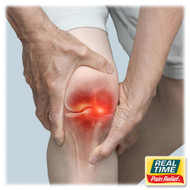
Patellar tendinitis, often referred to as jumper’s knee, is a condition that causes pain in the tendon connecting your kneecap to your shinbone. This tendon is responsible for helping your knee extend, which is crucial in activities like jumping, running, and kicking.
Causes and Symptoms
Patellar tendinitis is common in athletes who participate in sports that involve repetitive jumping or running, such as basketball, soccer, and volleyball. Overuse of the knee joint creates small tears in the tendon, leading to inflammation and pain.
Symptoms include:
- Pain at the base of the kneecap, especially after physical activity
- Tenderness or swelling around the kneecap
- Stiffness in the knee, making it difficult to extend the leg fully
- Worsening pain with jumping, running, or squatting
Treatment and Management
Treatment for patellar tendinitis focuses on reducing inflammation and promoting healing.
- Rest and Activity Modification: Reducing or avoiding activities that stress the patellar tendon is key. Gradual reintroduction of these activities can prevent further injury.
- Pain Relief Lotions or Creams: Applying creams that contain ingredients such as arnica or menthol can help temporarily reduce pain, providing relief directly to the affected area. These lotions are useful for soothing the tendon and helping to support the healing process.
- Physical Therapy: Strengthening exercises for the quadriceps can relieve pressure on the patellar tendon, improving function and preventing recurrence.