Sacroiliac Joint Dysfunction: Understanding Pain Where the Spine and Pelvis Meet
Posted by Dennis R Escalera on 1st Jul 2026
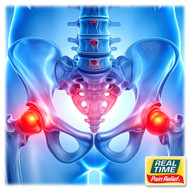
The sacroiliac (SI) joints are two joints located where the lower portion of the spine connects with the pelvis. Although these joints move only slightly, they play a major role in transferring body weight between the upper and lower body.
When these joints become irritated or move abnormally, discomfort can develop and affect everyday movement.
What Causes Sacroiliac Joint Dysfunction?
Several factors may contribute:
- Repetitive lifting
- Uneven body movement patterns
- Extended standing periods
- Pregnancy-related changes
- Previous injuries
- Degenerative changes over time
Summer activities such as yard work, moving heavy objects, sports participation, or long car trips may place additional strain on this area.
Common Symptoms
Individuals may experience:
- Lower back pain
- Pain on one side of the pelvis
- Buttock discomfort
- Pain extending into the hip or upper leg
- Increased pain while climbing stairs
- Difficulty standing after sitting for long periods
Symptoms can sometimes resemble other conditions, making evaluation important.
Daily Management Strategies
Helpful approaches may include:
- Gentle stretching exercises
- Maintaining good posture
- Avoiding sudden twisting movements
- Taking movement breaks during prolonged sitting
- Strengthening core muscles
How Topical Pain Relief with Nature's Ingredients May Help
Topical products containing nature-derived ingredients may provide localized support.
Examples include:
Menthol
Produces a cooling sensation that may temporarily reduce discomfort signals.
Arnica
Traditionally used to support relief of soreness and minor inflammation.
Eucalyptus Oil
Provides a cooling and soothing effect.
Aloe Vera
Hydrates skin and may help calm irritated tissue.
These ingredients may help provide temporary comfort while allowing individuals to continue healthy movement routines.
Conclusion
Sacroiliac Joint Dysfunction can affect simple movements that many people perform every day. Early recognition and supportive care strategies may help reduce discomfort and improve function.
References
https://www.ncbi.nlm.nih.gov/books/NBK448141/
https://my.clevelandclinic.org/health/diseases/17736-sacroiliitis
https://www.spine-health.com/conditions/sacroiliac-joint-dysfunction