Coccydynia (Tailbone Pain): Understanding the Causes of Persistent Pain at the Base of the Spine
Posted by Dennis R Escalera on 4th Aug 2026
Introduction
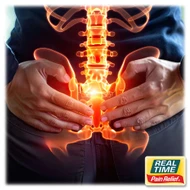
The tailbone, also known as the coccyx, is a small triangular structure located at the very bottom of the spine. Although it is much smaller than other spinal structures, it plays an important role in supporting the body while sitting and serves as an attachment point for various muscles, ligaments, and tendons.
When the coccyx becomes injured or inflamed, it can result in a condition known as coccydynia. This often-overlooked disorder can cause significant discomfort and make routine activities such as sitting, driving, or standing up from a chair surprisingly painful.
Although tailbone pain is relatively uncommon compared to other musculoskeletal conditions, it can have a substantial impact on daily life.
What Is Coccydynia?
Coccydynia refers to pain originating in or around the coccyx. The pain may be sharp, aching, or throbbing and is often aggravated by pressure on the tailbone.
The coccyx consists of several small fused vertebrae located below the sacrum. While it may appear insignificant, it helps stabilize the body when seated and provides attachment for muscles involved in pelvic floor function.
Common Causes
Several factors can contribute to coccydynia:
Falls and Direct Trauma
One of the most common causes is a fall onto the buttocks. The impact can bruise, fracture, or dislocate the coccyx.
Repetitive Strain
Activities involving prolonged sitting on hard surfaces may place repeated pressure on the tailbone.
Childbirth
Women may develop tailbone pain after difficult deliveries due to pressure exerted on the coccyx during labor.
Degenerative Changes
As people age, joints, and connective tissues around the coccyx can undergo wear and tear.
Obesity or Rapid Weight Loss
Both conditions may alter sitting mechanics and increase stress on the coccyx.
Symptoms
Symptoms often include:
- Localized pain at the base of the spine
- Pain while sitting
- Discomfort when rising from a seated position
- Tenderness to touch
- Pain during prolonged driving
- Increased discomfort during certain bowel movements
Diagnosis
Healthcare providers typically diagnose coccydynia through:
- Medical history
- Physical examination
- Imaging studies when necessary
X-rays, CT scans, or MRI studies may be used to evaluate fractures or abnormal movement of the coccyx.
Treatment Options
Treatment often focuses on reducing inflammation and minimizing pressure on the tailbone.
Common approaches include:
- Specialized cushions
- Physical therapy
- Activity modification
- Stretching exercises
- Pain management strategies
How Topical Pain Relief May Help
Many individuals seek localized relief through topical creams and lotions containing nature-derived ingredients.
Potentially beneficial ingredients include:
Arnica
Often used to support relief from bruising and soreness.
Menthol
Produces a cooling sensation that may help distract from discomfort.
Camphor
Provides warming and cooling effects that can soothe painful tissues.
Aloe Vera
Known for its soothing properties and skin-friendly application.
Eucalyptus Oil
May help promote a comforting sensation when massaged into surrounding tissues.
Lifestyle Tips
- Use a coccyx cushion
- Avoid prolonged sitting
- Practice proper posture
- Maintain a healthy weight
- Gradually increase physical activity
Conclusion
Coccydynia may affect a small part of the body, but its impact can be significant. Understanding its causes and adopting appropriate management strategies can help individuals regain comfort and improve daily function. Topical pain relief creams and lotions containing nature's ingredients may serve as a useful complement to broader treatment plans.
References
https://my.clevelandclinic.org/health/diseases/10436-coccydynia-tailbone-pain
https://www.ncbi.nlm.nih.gov/books/NBK563139/
https://www.spine-health.com/conditions/lower-back-pain/coccydynia-tailbone-pain