Winter Sports Aches: Preventing and Relieving Seasonal Strains
Posted by Dennis R Escalera on 1st Dec 2025
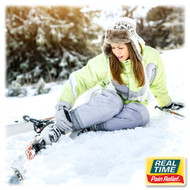
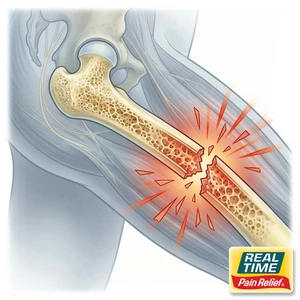
Winter brings a season of fun and fitness — from skiing, ice skating, and snowboarding to simply shoveling snow or decorating the home. However, these cold-weather activities can also trigger muscle soreness, tendon strains, and joint pain. The combination of chilly temperatures, tight muscles, and sudden bursts of exertion can easily lead to injury if the body isn’t prepared.
Understanding how to prevent these aches — and how topical creams and lotions made with nature’s ingredients may help relieve them — is key to staying active and pain-free during the winter months.
Common Winter Sports and Seasonal Strains
Cold weather doesn’t cause injuries on its own, but it does make muscles and tendons more vulnerable. The reduced temperature lowers flexibility, increases stiffness, and decreases blood flow. When activity levels suddenly rise — like during weekend sports or snow cleanup — the body can easily be strained.
Here are some of the most common winter-related musculoskeletal problems:
- Muscle Strains: Often occur in the back, hamstrings, or calves due to overexertion or poor warm-up.
- Tendonitis: Repetitive activities like shoveling or skating can inflame tendons in the shoulders, elbows, or knees.
- Sprains: Slippery surfaces make ankle sprains common, especially when ligaments overstretch.
- Low Back Pain: Lifting heavy snow or twisting awkwardly can strain lower back muscles.
- Knee and Hip Pain: Cold-weather sports like skiing or snowboarding put stress on joints, especially when combined with tight muscles and poor form.
(References: American Academy of Orthopaedic Surgeons, Mayo Clinic)
Why Winter Activity Increases Pain Risk
- Reduced Warmth and Circulation: Cold air narrows blood vessels, reducing oxygen supply to muscles and tissues.
- Less Flexibility: When muscles are cold, they contract and lose elasticity, making tears more likely.
- Sudden Exertion: People are often less active in early winter, then suddenly increase intensity when snow or sports arrive.
- Slippery Conditions: Ice, snow, and uneven ground heighten the risk of falls and joint injuries.
Prevention: Smart Ways to Protect Your Muscles and Joints
- Warm Up Before Activity
Take 10–15 minutes to stretch and move before outdoor exercise or chores. Light aerobic activity — even brisk walking — boosts blood flow and primes muscles. - Dress in Layers
Proper clothing keeps muscles warm and flexible. Use moisture-wicking layers to prevent chills. Gloves and thermal socks help protect joints and extremities. - Maintain Good Form
When lifting snow or performing repetitive tasks, bend your knees and lift with your legs, not your back. Use your body’s larger muscles instead of overstraining smaller joints. - Take Frequent Breaks
Overexertion is a major cause of winter strains. Pace yourself — a few short sessions are safer than one long, intense effort. - Stay Hydrated
Cold air reduces thirst, but muscles still need water to perform and recover properly. Dehydration increases cramp and strain risk.
Relieving Winter Aches Naturally
Even with the best precautions, occasional soreness or strain can happen. That’s where topical pain relief creams and lotions made with nature’s ingredients can play a vital role. These formulations deliver soothing comfort directly to the affected area, promoting circulation and reducing inflammation.
Effective natural ingredients for winter sports aches include:
- Menthol: Provides a cooling sensation that temporarily reduces pain signals and encourages blood flow.
- Camphor: Enhances circulation and works synergistically with menthol to relieve stiffness.
- Arnica montana: A traditional botanical used to reduce inflammation, bruising, and muscle soreness after exertion.
- Eucalyptus and Peppermint oils: Contain natural analgesic compounds that ease muscular tension and provide refreshing comfort.
- MSM (Methylsulfonylmethane): A sulfur-based compound that supports connective tissue recovery and reduces soreness.
- Aloe Vera: Soothes skin irritation and hydrates while carrying other ingredients deeper into soft tissues.
Applying these creams immediately after activity can help relax muscles, prevent stiffness, and speed recovery.
Complementary Self-Care Tips
- Gentle Stretching After Activity: Keeps muscles long and flexible, reducing the risk of recurring pain.
- Warm Baths or Epsom Salt Soaks: Promote relaxation and muscle recovery.
- Compression Wraps or Sleeves: Help stabilize joints and manage swelling.
- Massage: Encourages circulation and reduces muscle tension; using a topical cream enhances the benefits.
When to Seek Professional Care
If pain lasts longer than a few days, involves swelling, or limits movement, consult a healthcare professional. Persistent soreness could indicate a more serious injury such as a tear, sprain, or tendon inflammation requiring physical therapy or imaging.
The Takeaway
Winter activities don’t have to result in pain or discomfort. By warming up properly, maintaining good form, and using topical creams with nature’s ingredients, you can stay active and recover quickly from seasonal strains. Whether you’re shoveling snow or gliding across an ice rink, your body will thank you for treating it with the care it deserves.
References
- American Academy of Orthopaedic Surgeons. Winter Sports Injury Prevention.
https://orthoinfo.aaos.org/en/staying-healthy/winter-sports-injury-prevention - Mayo Clinic. Muscle Strain: Symptoms and Causes.
https://www.mayoclinic.org/diseases-conditions/muscle-strains/symptoms-causes/syc-20450507 - Harvard Health Publishing. Essential stretches to fight stiff winter muscles.
https://www.health.harvard.edu/exercise-and-fitness/essential-stretches-to-fight-stiff-winter-muscles - Cleveland Clinic. Everything You Need to Know About Running in Cold Weather.
https://health.clevelandclinic.org/everything-you-need-to-know-about-running-in-cold-weather - National Institutes of Health (NIH). Sports Injuries.
https://www.niams.nih.gov/health-topics/sports-injuries