
Tietze Syndrome: Understanding Chest Wall Inflammation and Natural Pain Relief Support
Posted by Dennis R Escalera on 14th Feb 2026
What Is Tietze Syndrome?
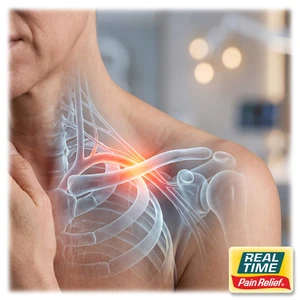
Tietze Syndrome is a rare, inflammatory condition affecting the costochondral joints, where the ribs connect to the breastbone (sternum). Unlike cardiac-related chest pain, Tietze Syndrome originates from the musculoskeletal system and is characterized by localized swelling and tenderness in the upper chest.
Although it can be alarming due to its location, Tietze Syndrome is non-cardiac and often benign, but the pain can be persistent and disruptive.
Common Symptoms
Symptoms may vary in intensity and duration, but commonly include:
- Sharp or aching pain in the upper chest
- Localized swelling near the sternum
- Tenderness when pressing on the affected area
- Pain that worsens with deep breathing, coughing, or upper-body movement
- Discomfort radiating to the shoulders, arms, or neck
Pain may come on suddenly or develop gradually and is often mistaken for heart-related conditions, leading to anxiety and repeated medical evaluations.
Causes and Risk Factors
The exact cause of Tietze Syndrome is not always clear, but contributing factors may include:
- Repetitive strain or overuse of the chest and upper body muscles
- Physical trauma or injury to the chest wall
- Upper respiratory infections with frequent coughing
- Poor posture, especially prolonged forward-leaning positions
- Heavy lifting or repetitive upper-body motion
It is most commonly seen in younger adults, though it can affect individuals of any age.
Conventional Treatment Approaches
Medical management typically focuses on reducing pain and inflammation and may include:
- Rest and avoidance of aggravating activities
- Nonsteroidal anti-inflammatory drugs (NSAIDs)
- Heat or cold therapy
- Physical therapy to improve posture and chest mobility
- Reassurance once cardiac causes are ruled out
While these methods can be effective, some individuals seek topical options to manage localized pain without systemic side effects.
How Topical Pain Relief Creams with Nature’s Ingredients May Help
Because Tietze Syndrome pain is localized near the surface of the chest wall, topical pain relief creams and lotions may provide targeted support when applied directly to the affected area.
Topical formulations made with nature’s ingredients may help by:
- Supporting temporary relief of localized discomfort
- Creating cooling or warming sensations that distract from pain signals
- Promoting circulation in superficial tissues
- Offering an alternative or complement to oral medications
When used as part of a broader pain management routine, topical products can be especially helpful for individuals seeking non-invasive options.
Beneficial Nature’s Ingredients Commonly Found in Topical Formulas
Topical pain relief products may include ingredients such as:
- Arnica montana – traditionally used to ease bruising and muscle soreness
- Menthol – provides a cooling sensation that may temporarily reduce pain perception
- Camphor – creates a warming effect that may help relax tense tissues
- Boswellia serrata – known for its inflammation-supporting properties
- Eucalyptus oil – often used to soothe muscle discomfort and improve circulation
These ingredients work at the skin level and are best used consistently as directed.
Lifestyle Support and Practical Tips
In addition to topical care, individuals with Tietze Syndrome may benefit from:
- Maintaining good posture throughout the day
- Avoiding heavy lifting during flare-ups
- Gentle chest and shoulder stretching
- Managing coughing episodes promptly
- Applying topical products after warm showers when muscles are relaxed
When to Seek Medical Attention
Chest pain should always be evaluated by a healthcare professional to rule out cardiac or pulmonary causes. Once serious conditions are excluded, Tietze Syndrome can often be managed conservatively with appropriate care.