
Superior Cluneal Nerve Entrapment: An Overlooked Cause of Lower Back Pain
Posted by Dennis R Escalera on 30th Mar 2026
Lower back pain is one of the most common musculoskeletal complaints worldwide. Many people associate back pain with conditions such as muscle strain, disc problems, or arthritis. However, not all cases of lower back discomfort originate from these familiar causes. In some individuals, persistent pain in the lower back may be linked to irritation or compression of small sensory nerves that run across the pelvis.
One such condition is known as Superior Cluneal Nerve Entrapment Syndrome. Although it is not widely recognized outside of specialized medical fields, this nerve disorder is increasingly being identified as a possible source of chronic lower back pain.
Because the symptoms can closely resemble other spinal disorders, many individuals may live with this condition for long periods without realizing the underlying cause of their discomfort. Understanding how this syndrome develops and how it affects the body can help individuals seek appropriate medical evaluation and explore supportive strategies for managing pain.
In addition to professional medical care, some individuals explore complementary approaches to help manage localized discomfort. Among these options, topical pain relief creams and lotions formulated with nature’s ingredients may provide soothing relief for certain types of muscle and nerve-related pain.
What Is the Superior Cluneal Nerve?
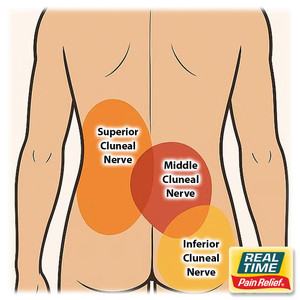
The superior cluneal nerves are small sensory nerves that originate in the lower spine. They arise from the upper lumbar nerve roots, typically from the L1 through L3 spinal nerves.
After leaving the spine, these nerves travel across the muscles of the lower back and pass over the top of the pelvic bone, known as the iliac crest. From there, they provide sensation to the skin of the upper buttock and part of the lower back.
Because these nerves travel through tight spaces between muscles and connective tissues, they may occasionally become compressed or irritated. When this occurs, the result can be pain in the lower back and upper buttock region.
This condition is referred to as Superior Cluneal Nerve Entrapment Syndrome.
How Nerve Entrapment Occurs
Nerve entrapment occurs when surrounding tissues place pressure on a nerve. In the case of the superior cluneal nerves, this compression most often occurs where the nerves pass through a band of connective tissue near the iliac crest.
Several factors may contribute to this pressure on the nerve.
Repetitive Movement
Activities that involve repeated bending, twisting, or lifting can place strain on the lower back muscles and surrounding connective tissues. Over time, this stress may irritate nearby nerves.
Muscle Tightness
Tight or overworked lower back muscles may compress the nerves as they travel through the region.
Injury or Trauma
A fall, sports injury, or other trauma to the lower back may lead to inflammation or tissue changes that affect the nerves.
Postural Strain
Poor posture during prolonged sitting or standing may increase stress on the lower back structures.
Degenerative Changes
Age-related changes in the spine and surrounding tissues may also contribute to nerve irritation.
Symptoms of Superior Cluneal Nerve Entrapment
The symptoms of this condition can vary depending on the degree of nerve irritation. Because the superior cluneal nerves are sensory nerves, the primary symptoms involve pain and abnormal sensations.
Common symptoms include:
Localized lower back pain
Pain is typically felt in the upper buttock or lower back area near the pelvic crest.
Pain that worsens with movement
Activities such as bending, walking, or standing for long periods may increase discomfort.
Tenderness along the pelvic crest
Pressing on the area where the nerves cross the top of the pelvis may produce pain.
Burning or tingling sensations
Some individuals report tingling or a burning feeling in the affected area.
Pain radiating to the buttock
The discomfort may spread from the lower back into the upper buttock region.
Unlike sciatica, which often causes pain that travels down the leg, superior cluneal nerve entrapment typically remains localized to the lower back and upper buttock.
Why the Condition Is Often Misdiagnosed
One of the challenges associated with Superior Cluneal Nerve Entrapment Syndrome is that its symptoms can closely resemble other back disorders.
Conditions that may present with similar symptoms include:
- Lumbar disc herniation
- Facet joint syndrome
- Sacroiliac joint dysfunction
- Muscle strain
Because of this overlap, individuals may receive treatment for other types of back pain before the true cause is identified.
A healthcare provider may suspect cluneal nerve entrapment if pressing on a specific point along the iliac crest reproduces the patient’s pain.
In some cases, diagnostic nerve blocks may be used to confirm the source of the discomfort.
Treatment Options
Treatment for Superior Cluneal Nerve Entrapment Syndrome often focuses on reducing nerve irritation and improving mobility.
Depending on the severity of symptoms, healthcare providers may recommend several approaches.
Physical Therapy
Therapeutic exercises may help strengthen the muscles that support the lower back and pelvis.
Stretching Programs
Stretching the lower back, hip, and gluteal muscles may help relieve tension around the nerve.
Activity Modification
Reducing activities that aggravate the pain may allow the irritated nerve to recover.
Massage Therapy
Massage may help relax tight muscles and improve circulation in the lower back.
Medical Procedures
In more severe cases, healthcare providers may consider treatments such as nerve blocks or minimally invasive procedures to relieve pressure on the nerve.
The Role of Topical Pain Relief with Nature’s Ingredients
For individuals experiencing localized lower back discomfort, topical pain relief creams and lotions containing nature’s ingredients may provide temporary soothing relief.
Topical products are applied directly to the skin and may help calm irritated tissues near the painful area.
Several nature-derived ingredients commonly used in topical formulations may help support comfort.
Menthol
Menthol, derived from mint plants, produces a cooling sensation that can help distract from pain signals and provide a refreshing feeling on the skin.
Camphor
Camphor has been used for generations in topical remedies for minor muscle and joint discomfort. It may produce warming or cooling sensations that help soothe sore areas.
Arnica
Arnica is a plant traditionally used in herbal preparations for bruising, inflammation, and muscle soreness.
Eucalyptus Oil
Eucalyptus oil may provide a cooling sensation and help promote comfort when applied to the skin.
Aloe Vera
Aloe vera is widely known for its soothing properties and may help calm irritated or sensitive skin.
When used according to product instructions, topical creams containing these nature-derived ingredients may help provide localized comfort for individuals dealing with minor muscle or nerve irritation in the lower back.
Preventing Lower Back Strain
Although not all cases of nerve entrapment can be prevented, certain habits may help reduce stress on the lower back.
These include:
Maintaining good posture
Proper alignment of the spine while sitting or standing can help reduce strain on back structures.
Strengthening core muscles
Strong abdominal and back muscles provide support for the spine.
Using proper lifting techniques
Bending at the knees rather than the waist can reduce pressure on the lower back.
Staying physically active
Regular movement helps maintain flexibility and circulation.
Recognizing an Overlooked Source of Back Pain
Superior Cluneal Nerve Entrapment Syndrome is an example of how small nerves can produce significant discomfort when irritated. Although the condition may not be as widely recognized as other causes of lower back pain, awareness of this syndrome is growing among healthcare professionals.
For individuals experiencing persistent lower back pain that does not respond to traditional treatments, evaluation of the superior cluneal nerves may help identify the underlying cause.
With appropriate care, lifestyle adjustments, and supportive measures such as topical pain relief creams and lotions formulated with nature’s ingredients, many people can find ways to manage their discomfort and improve daily mobility.
References
National Institutes of Health – Superior Cluneal Nerve Entrapment Syndrome
https://pmc.ncbi.nlm.nih.gov/articles/PMC10584293/
Springer Nature Link - Insights into Imaging – Superior Cluneal Nerve Entrapment
https://link.springer.com/article/10.1186/s13244-023-01463-0
Spine Health – Lumbar Nerve Pain
https://www.spine-health.com