
Small Fiber Neuropathy: When Burning, Tingling Pain Has No Obvious Cause
Posted by Dennis R Escalera on 3rd Mar 2026
Understanding the Condition in Simple Terms
Small Fiber Neuropathy (SFN) is a condition that affects the small sensory nerves in the body. These tiny nerve fibers are responsible for detecting pain and temperature. When they become damaged or irritated, they can send confusing or exaggerated pain signals to the brain.
Unlike larger nerve problems that cause muscle weakness or visible nerve damage on standard nerve tests, small fiber neuropathy can be harder to detect. Many people experience symptoms for months — sometimes even years — before receiving a clear diagnosis.
What Does It Feel Like?
People with small fiber neuropathy often describe their symptoms as:
- Burning pain (especially in the feet)
- Tingling or “pins and needles”
- Electric shock sensations
- Increased sensitivity to touch
- Pain from light contact (like bedsheets touching the skin)
- Episodes of skin redness or warmth
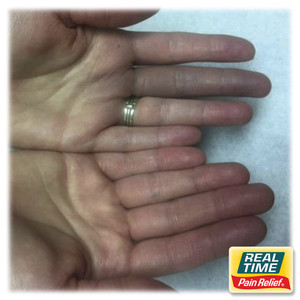
Symptoms usually begin in the feet and may slowly move upward. This is sometimes called a “stocking pattern.” In some cases, the hands can also be affected.
For many individuals, symptoms become more noticeable at night or during temperature changes — which is why seasonal transitions like early spring may trigger flare-ups.
Why Does It Happen?
Small fiber neuropathy can develop for several reasons. Common causes include:
- Diabetes or prediabetes
- Autoimmune disorders
- Vitamin deficiencies (especially B12)
- Thyroid imbalance
- Certain infections
- Metabolic syndrome
- Side effects of some medications
However, in a significant number of cases, no clear cause is found. This is known as idiopathic small fiber neuropathy.
Because the nerves involved are microscopic, standard nerve conduction studies may appear normal. A specialized skin biopsy or autonomic testing may be required for confirmation.
Why Symptoms May Flare in Spring
Seasonal changes can influence circulation and nerve sensitivity. Warmer weather increases blood flow to the skin, which can make burning sensations more noticeable.
In addition:
- Increased physical activity after winter can aggravate irritated nerves.
- Changes in footwear may increase foot friction.
- Dehydration (common in warmer months) may affect nerve function.
For people already living with nerve hypersensitivity, these small changes can feel amplified.
Conventional Treatment Options
Medical management often focuses on controlling symptoms and addressing underlying causes when possible.
Common approaches include:
- Blood sugar control (if diabetes-related)
- Vitamin supplementation (if deficient)
- Medications that calm nerve signals (such as certain anticonvulsants or antidepressants)
- Lifestyle changes including diet and exercise
While oral medications may reduce pain intensity, they can sometimes cause side effects such as drowsiness or dizziness.
This is why many individuals look for additional supportive options — especially for localized burning discomfort in the feet or hands.
How Topical Creams with Nature’s Ingredients May Help
Topical pain relief products work at the surface level. They do not repair nerve damage, but they may help calm uncomfortable sensations in affected areas.
For individuals with small fiber neuropathy, this can be particularly helpful in the feet.
Ingredients commonly used include:
Menthol
Provides a cooling sensation that may temporarily override burning discomfort by stimulating cold receptors in the skin.
Capsaicin
Derived from chili peppers. When used consistently, it may reduce Substance P, a chemical involved in transmitting pain signals.
Arnica
Traditionally used for muscle and joint soreness. While not specific to neuropathy, it may support overall tissue comfort.
Magnesium
May help relax surrounding muscles that tighten in response to chronic nerve pain.
Camphor
Creates a warming effect that can distract from tingling sensations.
When applied gently to intact skin (avoiding broken areas), these ingredients may:
- Reduce burning intensity
- Improve comfort when walking
- Support better sleep at night
- Decrease hypersensitivity from light touch
For many individuals, combining topical support with proper footwear, hydration, and medical management provides a more balanced approach.
Practical Daily Strategies for Comfort
In addition to topical applications, the following may help:
- Wear breathable, cushioned shoes
- Avoid extreme heat exposure to feet
- Stay hydrated
- Maintain healthy blood sugar levels
- Elevate feet if swelling occurs
- Perform gentle ankle and foot mobility exercises
Because symptoms often worsen at night, applying a topical cream 20–30 minutes before bedtime may improve nighttime comfort.
When to Seek Medical Evaluation
It is important to consult a healthcare provider if:
- Symptoms are rapidly worsening
- Weakness develops
- Balance becomes unstable
- There are signs of underlying systemic illness
Early evaluation helps rule out treatable causes.
References
National Institute of Neurological Disorders and Stroke. Peripheral Neuropathy Information Page.
https://www.ninds.nih.gov/health-information/disorders/peripheral-neuropathy
Cleveland Clinic. Small Fiber Neuropathy.
https://my.clevelandclinic.org/health/diseases/17479-small-fiber-neuropathy
Foundation for Peripheral Neuropathy. Small Fiber Neuropathy.
https://www.foundationforpn.org/causes/small-fiber-neuropathy/