
Notalgia Paresthetica: When a Nerve Causes Persistent Upper Back Itching and Pain
Posted by Dennis R Escalera on 30th Mar 2026
Many people occasionally experience an itch in the middle of their back that is difficult to reach or relieve. While this is often harmless, in some individuals the sensation becomes persistent and may be accompanied by burning, tingling, or even pain. One possible cause of this unusual combination of symptoms is a condition known as Notalgia Paresthetica.
Notalgia Paresthetica is a nerve-related disorder that affects the upper back, typically between the shoulder blades. Although it is not life-threatening, the condition can be frustrating and uncomfortable because the itch or pain may persist for months or even years.
Because the condition is not widely known outside the medical community, many people live with the symptoms for long periods before receiving an accurate diagnosis. Learning more about this disorder can help individuals recognize its symptoms and explore strategies for managing the discomfort it may cause.
In addition to medical evaluation and treatment when necessary, some individuals find that topical pain relief creams and lotions formulated with nature’s ingredients may help soothe localized irritation and nerve-related discomfort.
What Is Notalgia Paresthetica?
Notalgia Paresthetica is a chronic nerve condition that causes itching, burning, or tingling sensations in a specific area of the upper back. The name comes from Greek and medical terminology:
- Notos refers to the back
- Algia means pain
- Paresthesia refers to abnormal sensations such as tingling or burning
Together, the term describes a disorder involving abnormal nerve sensations in the back.
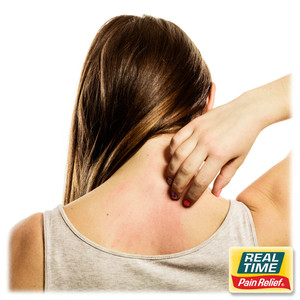
The condition most commonly affects the area between the shoulder blades, particularly slightly to one side of the spine. In many cases, the symptoms occur on the left side of the upper back, although either side may be affected.
The sensation is often described as an itch that cannot be fully relieved by scratching.
What Causes the Condition?
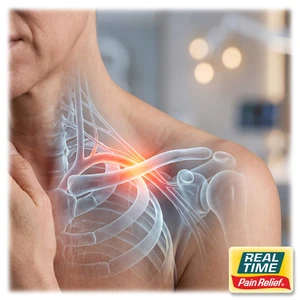
Notalgia Paresthetica is believed to occur when sensory nerves in the spine become irritated or compressed. These nerves travel from the spinal cord to the skin of the upper back. When they become disrupted, they may send abnormal signals to the brain.
Instead of normal sensation, the brain interprets these signals as:
- itching
- burning
- tingling
- numbness
- aching pain
The nerves most often involved originate from the thoracic spine, particularly between the T2 and T6 vertebrae.
Several factors may contribute to this nerve irritation.
Spinal Degeneration
Age-related changes in the spine, including degenerative disc disease or arthritis, can alter the space around spinal nerves and place pressure on them.
Muscle Tightness
Chronic muscle tension in the upper back and shoulders may place stress on the nerves that supply sensation to the skin.
Postural Strain
People who spend long periods sitting at computers or working in positions that strain the upper back may develop muscle and nerve irritation over time.
Previous Injury
In some cases, a prior injury to the back or spine may contribute to nerve sensitivity that later develops into Notalgia Paresthetica.
Common Symptoms
The symptoms of Notalgia Paresthetica can vary from person to person, but several features are commonly reported.
Persistent Itching
The most common symptom is a deep, persistent itch in the upper back. Scratching may provide temporary relief but often does not fully resolve the sensation.
Burning or Tingling
Many individuals describe a burning, prickling, or tingling feeling in the affected area.
Localized Pain
Some people experience mild to moderate pain along with the itching sensation.
Skin Sensitivity
The affected area may become sensitive to touch or friction from clothing.
Skin Changes
Because people often scratch the area repeatedly, the skin may develop:
- darker pigmentation
- thickened patches
- mild scarring
These skin changes occur as a result of chronic scratching rather than the nerve condition itself.
Who Is Most Likely to Develop It?
Notalgia Paresthetica can affect individuals of various ages, but it appears more commonly in:
- adults over age 40
- individuals with spinal degeneration
- people with sedentary or desk-based occupations
The condition may occur in both men and women, although some studies suggest it may be slightly more common in women.
Why Diagnosis Can Be Difficult
Because the primary symptom is itching, Notalgia Paresthetica is often mistaken for a skin condition such as:
- eczema
- allergic dermatitis
- fungal infections
- dry skin
However, topical skin treatments may not relieve the symptoms if the underlying problem involves nerve irritation.
A healthcare provider may suspect Notalgia Paresthetica when itching occurs in a localized area of the upper back with no visible rash or clear dermatological cause.
In some cases, imaging studies such as X-rays or MRI scans may be used to evaluate the spine for degenerative changes that could affect nearby nerves.
Treatment Approaches
Treatment for Notalgia Paresthetica typically focuses on relieving symptoms and reducing nerve irritation.
Common medical approaches may include:
Physical Therapy
Exercises that strengthen the upper back and improve posture may help reduce strain on spinal nerves.
Stretching and Mobility Exercises
Stretching the shoulders, chest, and upper back may help relieve muscle tension that contributes to nerve compression.
Massage Therapy
Massage may improve circulation and reduce muscle tightness in the affected area.
Heat or Cold Therapy
Applying warm or cool compresses may help soothe irritated tissues.
The Role of Topical Pain Relief with Nature’s Ingredients
Because Notalgia Paresthetica involves localized nerve irritation, some individuals explore the use of topical creams and lotions containing nature’s ingredients to help provide soothing comfort.
Topical products are applied directly to the skin and may help calm the nerve sensations that contribute to itching or burning.
Several ingredients commonly used in topical formulations may help support relief.
Menthol
Derived from mint plants, menthol produces a cooling sensation that may help distract from itching and discomfort.
Camphor
Camphor has long been used in topical preparations for minor muscle and nerve discomfort. It may produce a warming or cooling effect that helps soothe irritated areas.
Arnica
Arnica is a flowering herb traditionally used to support relief from soreness, bruising, and inflammation.
Peppermint Oil
Peppermint contains natural menthol compounds that may create a cooling effect and help calm irritated nerve sensations.
Aloe Vera
Aloe vera may help soothe irritated skin and provide a calming sensation when applied topically.
When used as directed, creams containing these nature-derived ingredients may provide temporary localized relief from itching, burning, or discomfort associated with nerve irritation.
Lifestyle Strategies That May Help
In addition to medical care and topical treatments, certain lifestyle adjustments may help reduce symptoms.
These include:
Improving posture
Maintaining good posture while sitting or working may reduce stress on spinal nerves.
Regular stretching
Gentle stretching of the shoulders and upper back may help maintain flexibility.
Strengthening the upper back
Exercises that strengthen back muscles may improve spinal support.
Reducing repetitive strain
Taking breaks from prolonged sitting or repetitive tasks may help prevent muscle tightness.
Living with Notalgia Paresthetica
Although Notalgia Paresthetica can be persistent, it is not considered a dangerous condition. Many people learn to manage their symptoms through a combination of medical care, posture improvements, and comfort strategies.
Understanding the role of nerve irritation in the condition can help individuals seek appropriate treatment and avoid unnecessary worry about skin diseases.
For those experiencing localized discomfort, topical creams and lotions formulated with nature’s ingredients may offer a gentle option to help soothe irritated areas and support daily comfort.
As with any persistent or unexplained symptoms, individuals should consult a healthcare professional for proper evaluation and guidance.
References
National Institutes of Health – Notalgia Paresthetica Overview
https://www.ncbi.nlm.nih.gov/books/NBK470597/
DermNet NZ – Notalgia Paresthetica
https://dermnetnz.org/topics/notalgia-paraesthetica
Cleveland Clinic – Notalgia Paresthetica
https://my.clevelandclinic.org/health/diseases/24850-notalgia-paresthetica