Fall Prevention: Stronger Habits for Safer, More Confident Movement
Posted by Dennis R Escalera on 1st Oct 2026
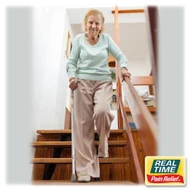
A fall can happen in a moment, but its causes often accumulate over time. Reduced leg strength, changes in vision, dizziness, medication effects, foot pain, clutter, poor lighting, and a hurried movement can converge in a single misstep. The encouraging part is that many risk factors can be identified and improved.
Fall prevention is not about limiting life or making a home feel clinical. It is about preserving confidence and independence. The Centers for Disease Control and Prevention emphasizes that falls are preventable and encourages older adults and healthcare professionals to assess risk, improve strength and balance, review medications, check vision and feet, and make living spaces safer.
Start With an Honest Risk Check
A previous fall is one of the clearest reasons to discuss fall risk with a healthcare professional. So are near-falls, new unsteadiness, fear of falling, or the need to push off furniture to stand. These signs do not guarantee another fall, but they provide useful information.
Notice patterns. Does dizziness occur after standing? Do you feel less steady in dim light? Are stairs more difficult when carrying something? Does foot discomfort change the way you walk? Has a new medication made you sleepy? Details help a clinician look beyond the fall itself and identify modifiable causes.
Do not hide a fall because it feels embarrassing. Even one without an obvious injury can reveal a vision problem, blood-pressure change, medication effect, weakness, balance disorder, or environmental hazard. A timely review may prevent a more serious event later.
Strength and Balance Work Together
Balance is not a single skill located in one body part. It depends on information from the eyes, inner ears, nerves, muscles, joints, and brain. The body must sense a change in position and produce a quick, coordinated response. Strong legs help generate that response; ankle and hip mobility help adjust the base of support; vision and sensation help interpret the environment.
That is why walking alone, while valuable, may not address every component of fall prevention. A complete program often includes resistance exercise and movements that safely challenge balance. Examples might involve sit-to-stand practice, heel raises, side stepping, or progressively narrowing the base of support. The right starting point varies widely.
Anyone with significant unsteadiness, recent falls, severe osteoporosis, new neurological symptoms, or substantial pain should get professional guidance before practicing challenging balance exercises alone. A physical therapist can evaluate gait, strength, footwear, assistive-device use, and specific situations that create risk. Stable support and supervision may be appropriate while skills develop.
Make Progress Measurable
Vague goals such as “be more careful” are difficult to act on. A specific goal might be completing a prescribed strength routine twice a week, practicing clinician-approved balance work near a sturdy support, or improving the ability to rise from a chair without using the hands.
Progress should increase confidence without sacrificing safety. A person might first perform a movement with both hands on support, then one hand, then fingertips—only if instructed and ready. Adding speed or closing the eyes can greatly increase difficulty and should not be attempted casually. The goal is not to prove perfect balance. It is to improve the body’s response to realistic challenges.
Fatigue changes performance. Practice at a time of day when energy and concentration are good. Keep the space clear, wear supportive footwear, and stop if dizziness, chest pain, unusual shortness of breath, new weakness, or sharp pain occurs.
Review Medicines and Health Changes
Some prescription medicines, over-the-counter products, or combinations can contribute to sleepiness, dizziness, low blood pressure, or confusion. The risk may rise after a medicine is started, stopped, or adjusted. Alcohol can compound these effects.
Keep an up-to-date medication list that includes nonprescription products and supplements. Ask a pharmacist or clinician to review it for fall-related effects and interactions. Never stop a medicine abruptly without medical direction. Sometimes the solution is a dose adjustment, a timing change, a substitute, or closer monitoring rather than discontinuation.
Changes in hearing, vision, blood pressure, sensation in the feet, or bladder urgency can also influence falls. An eye examination can identify vision changes, while a foot evaluation can address pain, numbness, nail problems, or footwear needs. If standing causes lightheadedness, rise slowly, pause before walking, and discuss the symptom with a clinician rather than assuming it is normal.
Give the Home a Safety Walkthrough
Look at the home through the eyes of someone carrying groceries, waking at night, or moving while tired. Clear walking paths of cords, shoes, pet toys, and low furniture. Secure or remove loose rugs. Repair uneven flooring. Place commonly used items within easy reach so that daily tasks do not require climbing on stools or stretching off balance.
Lighting should make changes in level easy to see. Add brighter bulbs where appropriate, use night-lights along the route between the bedroom and bathroom, and place switches where they can be reached before entering a dark area. Contrast at stair edges may improve visibility for some people.
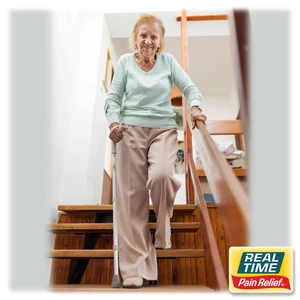
Stairs need secure handrails and uncluttered steps. Bathrooms benefit from professionally installed grab bars near the toilet and bathing area, along with nonslip surfaces. A towel rack is not designed to support body weight. If a shower chair or raised toilet seat is needed, choose and install it with guidance so that it remains stable.
Outdoor areas deserve the same review. Watch for wet leaves, algae, broken pavement, loose gravel, hoses, and poor lighting. In rainy or icy conditions, allow extra time and use an alternate entrance if it is safer. A rushed shortcut can erase the benefit of every indoor improvement.
Footwear and Assistive Devices Are Safety Equipment
Shoes should fit securely, provide traction, and remain stable at the heel. Loose slippers, smooth soles, and shoes that alter natural balance can increase risk. Indoors, well-fitting nonslip footwear may be safer than walking in socks on smooth floors.
A cane or walker helps only when it is the correct type, adjusted to the right height, and used consistently. Borrowing someone else’s device or guessing at the adjustment can create new problems. A clinician or physical therapist can fit the device and teach safe use, including stairs, curbs, and transfers.
Using support is not surrendering independence. When it makes movement safer and more efficient, it can expand the places a person feels comfortable going.
Protect Bones While Preventing Falls
Fall prevention and bone health reinforce each other. Stronger muscles and better balance may reduce falls, while healthier bones may reduce the chance that a fall causes a fracture. Adequate nutrition, appropriate weight-bearing and resistance activity, and osteoporosis screening when recommended belong in a complete prevention plan.
Fear after a fall can lead to avoiding activity. That response is understandable, but prolonged inactivity may weaken muscles and make balance worse. The answer is not to force confidence. It is to rebuild it through evaluated, supported, gradually progressive movement.
Manage Minor Aches Without Missing the Cause
Muscle and joint discomfort can make people move differently, and an altered gait may affect stability. Real Time Pain Relief topical products may temporarily relieve minor aches and pains of muscles and joints when used according to the label. Choose the appropriate formula, apply only as directed, and do not use comfort as a reason to ignore new weakness, swelling, severe pain, or difficulty bearing weight.
After a fall, seek urgent help for a possible head injury, loss of consciousness, confusion, severe headache, new numbness or weakness, visible deformity, uncontrolled bleeding, severe pain, or inability to stand or walk. People taking blood thinners may need prompt evaluation even when the injury appears minor. When uncertain, err on the side of medical assessment.
Confidence Grows From Preparation
The most effective fall-prevention plan is rarely one dramatic change. It is a collection of dependable habits: turning on the light, pausing after standing, wearing secure shoes, keeping pathways clear, doing strength and balance work, reviewing medicines, and asking for help when movement changes.
Choose one action this week. Schedule a vision or medication review. Remove a loose rug. Test the night-light route. Ask about a balance program. Small changes are easier to maintain, and each one can make the next step feel more secure.
Steady movement is not merely the absence of a fall. It is the ability to participate in daily life with awareness, preparation, and confidence. By strengthening the body and reshaping the environment, we can protect both mobility and the freedom it supports.
Editorial References
- Centers for Disease Control and Prevention. “STEADI: Older Adult Fall Prevention.” https://www.cdc.gov/steadi/
- U.S. Department of Health and Human Services. “Physical Activity Guidelines for Americans, 2nd edition.” https://health.gov/paguidelines/second-edition/