
Achenbach Syndrome: Understanding Sudden Painful Finger Bruising
Posted by Dennis R Escalera on 30th Mar 2026
Many people experience occasional bruising on their hands or fingers after minor injuries. However, in rare cases, a person may suddenly develop painful bruising in a finger without any known trauma. This unusual condition is known as Achenbach Syndrome, sometimes referred to as Paroxysmal Finger Hematoma. Although it can appear alarming, this condition is generally benign and self-limiting.
Because Achenbach Syndrome is relatively uncommon and not widely discussed, people who experience it often become concerned when symptoms suddenly appear. The sudden discoloration, swelling, and pain may even cause individuals to worry about serious vascular or circulatory problems. Understanding the condition, its symptoms, and available management options can help reduce anxiety and guide individuals toward appropriate care.
In addition to medical evaluation when necessary, some individuals seek ways to manage the temporary discomfort associated with Achenbach Syndrome. For some, topical pain relief creams and lotions formulated with nature’s ingredients may help soothe localized pain and sensitivity in the affected area.
What Is Achenbach Syndrome?
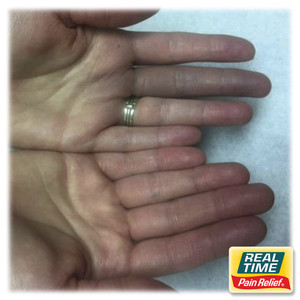
Achenbach Syndrome is a rare vascular condition characterized by the sudden development of bruising, swelling, and pain in one or more fingers. The symptoms usually appear without an obvious injury and may develop very quickly, sometimes within minutes.
The condition was first described in 1958 by German physician Walter Achenbach, after whom it was named. Although the exact cause remains unclear, the syndrome is believed to involve the sudden rupture of small blood vessels beneath the skin of the finger.
When these tiny blood vessels break, blood leaks into the surrounding tissue, creating the dark discoloration that resembles a bruise. Because this bleeding occurs beneath the skin, it can also produce swelling and localized pain.
Unlike many vascular disorders, Achenbach Syndrome is generally considered harmless. The symptoms usually resolve on their own within several days without causing long-term damage.
Who Is Most Likely to Experience It?
Achenbach Syndrome appears to affect certain groups more frequently than others. Research suggests it is most commonly reported in:
- Middle-aged adults
• Women more often than men
• Individuals between the ages of 40 and 60
Although it most often occurs in this age range, the condition can appear in younger or older individuals as well.
Episodes may occur only once in a person’s lifetime, while others may experience occasional recurring episodes over the years.
Common Symptoms
One of the most distinctive features of Achenbach Syndrome is the sudden onset of symptoms. Many people report that the finger feels normal and then abruptly becomes painful.
Typical symptoms include:
Sudden finger pain
Pain often appears first and may be described as sharp, burning, or throbbing.
Bruise-like discoloration
The affected area may quickly turn blue, purple, or dark red.
Swelling
Mild swelling may occur around the bruised area.
Tenderness to touch
The finger may become sensitive or sore.
Warm or tingling sensation
Some individuals report tingling or warmth before the discoloration appears.
The most commonly affected areas are the middle or index fingers, although other fingers may also be involved. The discoloration usually appears on the palm side of the finger.
In most cases, the fingertip itself is not affected, and blood circulation remains normal.
Why the Condition Can Be Frightening
Because Achenbach Syndrome appears suddenly and involves visible bruising, many people worry that something serious has occurred. The symptoms may resemble conditions such as:
- Blood clot disorders
• Circulatory problems
• Vascular disease
• Finger fractures or injuries
However, unlike these conditions, Achenbach Syndrome typically resolves quickly and does not cause permanent damage.
Medical professionals often diagnose the condition based on the appearance of symptoms and patient history, particularly when bruising occurs without trauma and resolves within a short period of time.
Possible Causes
Although the exact cause of Achenbach Syndrome is not fully understood, researchers believe several factors may contribute.
Fragile Blood Vessels
Some individuals may have delicate capillaries that are more prone to breaking. Minor pressure or small movements may occasionally cause these vessels to rupture.
Minor Mechanical Stress
In some cases, symptoms appear after simple hand activities such as:
- Carrying bags
• Gripping objects
• Opening jars
• Typing or repetitive hand use
However, many episodes occur without any identifiable trigger.
Vascular Sensitivity
Another theory suggests that certain individuals may have increased sensitivity in the small blood vessels of the fingers, making them more susceptible to spontaneous bleeding.
Hormonal Factors
Because the condition appears more frequently in women, some researchers have suggested that hormonal influences may play a role.
How Long Symptoms Last
The good news is that Achenbach Syndrome is usually short-lived.
Typical recovery timeline:
- Pain may last several hours to a day
• Bruising often fades within 3–7 days
• Swelling gradually decreases during this time
Most individuals regain full comfort and normal appearance of the finger within about a week.
Importantly, the condition does not usually lead to permanent complications.
When Medical Evaluation Is Recommended
Although Achenbach Syndrome is generally benign, individuals should seek medical evaluation if:
- The symptoms occur for the first time and diagnosis is uncertain
• The discoloration spreads to other areas
• Severe pain occurs
• Circulation to the finger appears impaired
• Symptoms do not improve within several days
A healthcare provider may examine the finger and, if necessary, perform tests to rule out other conditions such as clotting disorders or vascular problems.
Managing Discomfort During an Episode
Because the condition tends to resolve on its own, treatment is usually focused on managing symptoms and maintaining comfort.
Simple measures that may help include:
Resting the hand
Limiting activities that place pressure on the affected finger can help reduce irritation.
Cold compresses
Applying a cool pack for short periods may help decrease swelling and discomfort.
Gentle elevation
Keeping the hand slightly elevated may help reduce swelling.
The Role of Topical Pain Relief with Nature’s Ingredients
For individuals experiencing localized discomfort or tenderness, topical pain relief creams and lotions containing nature’s ingredients may provide temporary soothing relief.
Topical products work by being applied directly to the skin near the painful area, allowing ingredients to interact with nerve endings and surrounding tissues.
Several nature-derived ingredients commonly used in topical pain relief formulations may help promote comfort.
Menthol
Menthol, derived from mint plants, produces a cooling sensation that can help distract from pain signals and create a soothing effect on the skin.
Camphor
Camphor is obtained from the wood of the camphor tree and is widely used in topical products to help relieve minor aches and discomfort.
Arnica
Arnica is a flowering plant traditionally used to support relief from bruising, swelling, and muscle soreness.
Eucalyptus Oil
Eucalyptus contains compounds that may produce a cooling sensation and support temporary relief of minor pain.
Aloe Vera
Known for its soothing properties, aloe vera may help calm irritated skin and promote comfort.
When used according to product instructions, these ingredients may help provide a gentle, localized approach to managing temporary discomfort associated with minor bruising or sensitivity.
Living with a Rare but Harmless Condition
For many people, experiencing Achenbach Syndrome can be unsettling at first. The sudden appearance of pain and discoloration often raises concerns about serious medical problems.
However, understanding the nature of this condition can help reduce anxiety. In most cases, Achenbach Syndrome is a temporary and harmless event that resolves without medical intervention.
By recognizing the symptoms and understanding the condition’s benign nature, individuals can focus on simple comfort measures while allowing the body to heal naturally.
References
DermNet NZ – Achenbach Syndrome
https://dermnetnz.org/topics/achenbach-syndrome
National Institutes of Health – Achenbach’s Syndrome
https://pmc.ncbi.nlm.nih.gov/articles/PMC8684606/
Cleveland Clinic – Achenbach Syndrome
https://my.clevelandclinic.org/health/diseases/achenbach-syndrome