Vasculitic Neuropathy: Understanding Cold-Sensitive Nerve Pain and Natural Support Options
Posted by Dennis R Escalera on 1st Jan 2026
Overview
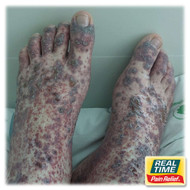
Vasculitic neuropathy is a rare, painful condition that occurs when inflammation damages the small blood vessels supplying the nerves. As these vessels become inflamed, swollen, or narrowed, the nerves receive insufficient oxygen and nutrients. This leads to nerve pain, numbness, tingling, and weakness. Cold weather can worsen symptoms by further reducing circulation, making winter an especially challenging time for individuals with this condition.
Vasculitic neuropathy may occur on its own or as part of a broader autoimmune or inflammatory disorder. Because early symptoms can resemble other forms of neuropathy, proper diagnosis is essential.
Causes
Vasculitic neuropathy results from inflammation of the blood vessels (vasculitis), which may be triggered by:
- Autoimmune disorders such as rheumatoid arthritis, lupus, or polyarteritis nodosa
- Infections
- Certain medications
- Inflammatory diseases affecting small or medium arteries
- Idiopathic causes (no identifiable trigger)
When the blood vessels are damaged, the nerves become deprived of oxygen, leading to neuropathic symptoms.
Symptoms
Symptoms vary depending on which nerves are affected but may include:
- Sharp, burning, or shooting pain
- Tingling or pins-and-needles sensations
- Numbness in hands or feet
- Muscle weakness
- Sensory loss
- Heightened sensitivity to touch or cold
Because winter naturally constricts blood vessels, cold temperatures can intensify pain and worsen nerve sensitivity.
Diagnosis
Healthcare providers may use a combination of:
- Neurological examination
- Electromyography (EMG)
- Nerve conduction studies
- Blood tests for autoimmune markers
- Nerve or blood vessel biopsy
These tests help confirm vascular involvement and rule out other conditions.
Conventional Treatment
Treatment focuses on reducing inflammation and preserving nerve function:
- Corticosteroids
- Immunosuppressants
- Pain management strategies
- Treatment of underlying autoimmune disorders
Early treatment helps prevent long-term nerve damage.
How Topical Creams With Nature’s Ingredients Can Help
While topical creams cannot treat the underlying inflammation of vasculitis, they can provide meaningful support by easing nerve pain, reducing surface discomfort, and helping improve tissue comfort in cold weather.
1. Arnica
A long-used botanical for reducing localized pain and swelling.
2. Turmeric (Curcumin)
Contains natural anti-inflammatory compounds that may ease discomfort when applied topically.
3. Ginger
Helps increase circulation in affected areas and reduces cold-induced nerve sensitivity.
4. Capsaicin (low-dose)
Can reduce nerve pain by decreasing substance P (a pain-signaling chemical), though sensitivity varies by individual.
5. MSM
Useful for easing nerve-related discomfort and supporting connective tissue.
6. Eucalyptus and Peppermint
Provide cooling but also helps improve superficial circulation and reduce muscle tension around affected nerves.
7. Magnesium
Topical magnesium may help reduce muscle cramping and nerve sensitivity.
For many people, the combination of warming botanicals and anti-inflammatory plant-based ingredients can offer meaningful comfort, especially during the coldest months.
Lifestyle Strategies for Winter
- Keep extremities insulated with gloves, socks, and thermal layers.
- Avoid prolonged outdoor exposure during temperature drops.
- Perform gentle stretching exercises to support nerve mobility.
- Maintain hydration to improve circulation.
- Consider indoor warm-water therapy.
- Use heating pads with caution on sensitive areas.
Conclusion
Vasculitic neuropathy is an uncommon but serious condition that requires medical evaluation and ongoing management. Winter temperatures can intensify symptoms, making supportive care especially important. While topical creams with nature’s ingredients cannot reverse nerve damage, they can offer comforting relief from surface pain, sensitivity, and cold-related discomfort, providing an additional layer of support during flare-ups.