Osteoporosis: The Silent Change That Can Reshape Mobility
Posted by Dennis R Escalera on 1st Oct 2026
Most people can feel a strained muscle or an irritated joint. Osteoporosis is different. It commonly develops without obvious symptoms, quietly reducing bone strength until a fracture occurs. That is why the National Institute of Arthritis and Musculoskeletal and Skin Diseases calls it a “silent” disease. A person may feel well, remain active, and have no clear warning that the internal structure of bone has changed.
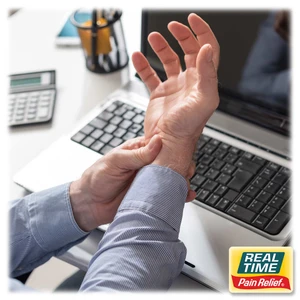
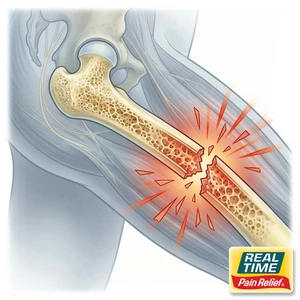
Osteoporosis develops when bone mineral density and bone mass decrease, or when changes in bone quality and structure make bones less strong. Although any bone can break, fractures related to osteoporosis occur frequently in the hip, wrist, and vertebrae of the spine. These are not minor inconveniences. A hip fracture can sharply reduce mobility and independence, while vertebral fractures can cause severe back pain, loss of height, and a stooped posture.
Bone Is Living Tissue
It is easy to picture the skeleton as a fixed frame, but bone is active tissue. Throughout life, old bone is removed and new bone is formed. During youth, bone formation generally outpaces bone loss, allowing the skeleton to accumulate strength. Most people reach peak bone mass by early adulthood. Later, the balance gradually shifts. With aging—and especially with hormonal changes around menopause—bone may be lost faster than it is replaced.
Osteoporosis is not simply an inevitable part of getting older. Age raises risk, but it interacts with genetics, nutrition, activity, medical conditions, medications, tobacco use, and alcohol consumption. Two people of the same age may have very different bone health. That is one reason a personalized risk discussion matters more than assumptions based on appearance or activity level.
Risk Factors You Cannot Change
Some risk factors are outside a person’s control. The likelihood of osteoporosis increases with age. Women face a higher overall risk, particularly after menopause, because lower estrogen levels accelerate bone loss. Men are also affected, especially later in life, and should not assume osteoporosis is exclusively a women’s health issue.
Body frame and family history also matter. People with smaller frames may have less bone mass in reserve. A parent’s history of osteoporosis or hip fracture may signal inherited susceptibility. Certain racial and ethnic groups have different average rates of osteoporosis, but no group is protected from the disease. Screening decisions should consider the whole person rather than relying on race or sex alone.
Risk Factors You May Be Able to Address
Regular movement helps maintain bone and muscle. Long periods of inactivity can contribute to bone loss while also weakening the muscles needed for balance. Smoking is associated with increased fracture risk, and chronic heavy alcohol use can harm bone health and increase the likelihood of falls.
Nutrition matters, too. Calcium is a major structural component of bone, while vitamin D helps the body absorb calcium and supports normal bone mineralization. Protein and an overall nutritious diet also contribute to the tissues that support movement. More is not automatically better, however. Supplements can interact with medications or create problems when taken in excessive amounts. A clinician or registered dietitian can help determine whether food sources are adequate and whether supplementation is appropriate.
Medical history can change risk substantially. Rheumatoid arthritis, some endocrine or gastrointestinal disorders, certain cancers, and other conditions may affect bone. Long-term use of glucocorticoid medicines is a well-known concern, and other medications may also influence bone health. No one should stop a prescribed medicine because of an article. The right step is to ask the prescribing clinician how the medication affects bone and whether monitoring or preventive measures are needed.
Screening Before the First Fracture
Because osteoporosis usually cannot be identified by symptoms alone, screening can reveal risk before a major injury occurs. The most commonly used test is dual-energy X-ray absorptiometry, often shortened to DXA or DEXA. This low-radiation test measures bone mineral density, usually at the hip and spine. Results may be combined with age, medical history, and other risk factors to estimate fracture risk.
In its January 2025 recommendation, the U.S. Preventive Services Task Force recommended osteoporosis screening for women age 65 and older. It also recommended screening postmenopausal women younger than 65 who have one or more risk factors and are found to be at increased risk through clinical assessment. For men, the Task Force concluded that evidence was insufficient to recommend for or against population-wide screening. That does not mean men never need testing; it means the decision should be individualized with a clinician.
Screening guidelines are designed for people without known osteoporosis or a previous fragility fracture. Someone who has already broken a bone from a low-level event, has a condition that affects bone, or uses a medication associated with bone loss may need a different evaluation pathway. A fracture from a fall at standing height—or from an action that would not normally break a healthy bone—deserves a conversation about underlying bone strength.
What a Diagnosis Can—and Cannot—Tell You
A bone-density result is important, but it is not the entire story. Fracture risk also depends on age, fall history, physical function, medications, vision, environment, and bone quality. A person whose density does not meet the threshold for osteoporosis may still be at meaningful fracture risk. Conversely, a diagnosis does not mean a fracture is certain.
The useful question is not, “Is my score good or bad?” but, “What does this result mean when combined with my complete risk profile?” A healthcare professional can explain the test, determine whether additional evaluation is needed, and discuss treatment when appropriate. Prescription osteoporosis medicines can reduce fracture risk for many people who meet treatment criteria, but the choice depends on individual benefits, risks, preferences, and medical history.
Everyday Support for Bone Health
Weight-bearing activities require the body to work against gravity. Walking, stair climbing, dancing, and similar movements can support bone health when they are appropriate for the individual. Resistance exercise strengthens muscles and places controlled demand on bones. Balance training does not directly build large amounts of bone, but it can reduce the chance that a loss of footing becomes a fracture.
The safest plan depends on current bone health. People with osteoporosis, previous fractures, severe pain, or significant balance problems may need guidance before beginning a new program. Certain forceful twisting, bending, or high-impact movements may be inappropriate for someone with fragile vertebrae. A physical therapist or qualified clinician can adapt activity so that it challenges the body without creating unnecessary risk.
Good routines are built gradually. Consistency matters more than a sudden burst of exercise. Start with an amount that feels manageable, use stable support when needed, and increase difficulty in small steps. Footwear should fit well and provide dependable traction. Recovery, adequate nutrition, and attention to new symptoms belong in the same plan as exercise.
When Pain May Be a Warning
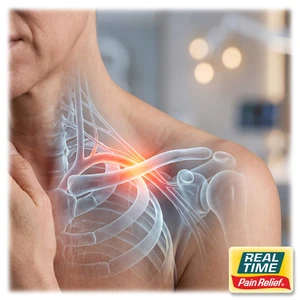
Osteoporosis itself usually does not cause pain until a fracture occurs. Sudden severe back pain, new loss of height, a visibly changing posture, or pain after a minor fall should be evaluated. Hip pain with an inability to stand or bear weight requires urgent care. A person may sometimes remain able to walk after certain fractures, so function alone cannot rule out injury.
Topical pain relief can have a role in temporarily relieving minor aches and pains of muscles and joints when used according to the product label. It does not strengthen bone, treat osteoporosis, or heal a fracture. If pain is severe, follows a fall, is highly localized over a bone, or persists despite rest, covering it up and continuing the same activity may delay needed care.
A Conversation Worth Having
Bone health is not only a concern after a break. Ask a healthcare professional whether your age, menopause status, family history, medications, medical conditions, nutrition, smoking or alcohol history, and previous falls change your risk. If a screening test is recommended, knowing your baseline can support informed decisions.
Osteoporosis may be silent, but prevention and screening do not have to be. Small actions—regular appropriate activity, adequate nutrition, safer movement, and timely medical conversations—can protect mobility long before a fracture forces the subject into view.
Editorial References
- National Institute of Arthritis and Musculoskeletal and Skin Diseases. “Osteoporosis.” https://www.niams.nih.gov/health-topics/osteoporosis
- U.S. Preventive Services Task Force. “Osteoporosis to Prevent Fractures: Screening.” January 14, 2025. https://www.uspreventiveservicestaskforce.org/uspstf/recommendation/osteoporosis-screening
- National Institutes of Health, Office of Dietary Supplements. “Calcium: Fact Sheet for Health Professionals.” https://ods.od.nih.gov/factsheets/Calcium-HealthProfessional/
- National Institutes of Health, Office of Dietary Supplements. “Vitamin D: Fact Sheet for Health Professionals.” https://ods.od.nih.gov/factsheets/VitaminD-HealthProfessional/