Osteoarthritis: Understanding and Managing Joint Degeneration
Posted by Dennis R. Escalera on 2nd Dec 2024
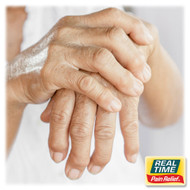
Osteoarthritis (OA), often referred to as "wear-and-tear" arthritis, is one of the most common types of arthritis, affecting millions of people worldwide. This condition arises when the protective cartilage that cushions the ends of bones wears down over time, leading to joint pain, stiffness, and swelling.
Symptoms of Osteoarthritis
The symptoms of OA vary depending on the joints affected and the severity of the condition. Common symptoms include:
- Pain during or after movement.
- Stiffness, especially in the morning or after periods of inactivity.
- Loss of flexibility and difficulty moving the joint.
- A grating sensation or popping sounds during joint movement.
- Bone spurs, which may feel like hard lumps around the joint.
Contributing Factors
OA develops due to a combination of factors, including:
- Age: The risk increases with age as joints experience cumulative wear and tear.
- Obesity: Excess weight places additional stress on weight-bearing joints like the hips and knees.
- Injuries: Previous joint injuries can increase the likelihood of OA.
- Genetics: A family history of OA can predispose individuals to the condition.
- Occupation and Activities: Jobs or sports that involve repetitive stress on certain joints may contribute.
Management and Treatment
While there’s no cure for OA, several strategies can help manage symptoms and improve quality of life:
- Lifestyle Changes: Regular exercise, weight management, and a balanced diet can reduce stress on joints and improve overall health.
- Pain Relief Options: Topical creams with plant-based ingredients have shown to soothe pain effectively.
- Physical Therapy: Exercises that strengthen the muscles around joints can increase stability and reduce pain.
- Medications: Over-the-counter or prescription medications can provide relief for inflammation and pain.
- Surgical Options: In severe cases, joint replacement or other surgical procedures may be necessary.
References: