Meralgia Paresthetica: Managing Outer Thigh Nerve Pain with Targeted, Nature-Based Relief
Posted by Dennis R Escalera on 14th Feb 2026
What Is Meralgia Paresthetica?
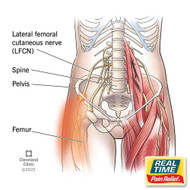
Meralgia Paresthetica is a nerve-related condition caused by compression or irritation of the lateral femoral cutaneous nerve, a sensory nerve that supplies feeling to the outer thigh. Unlike conditions that affect muscle strength or joint movement, Meralgia Paresthetica primarily impacts sensation.
The condition can lead to persistent discomfort that interferes with standing, walking, or sitting for extended periods, making daily activities and work tasks more challenging.
Common Symptoms
Symptoms typically affect one side of the body and may include:
- Burning or aching pain along the outer thigh
- Tingling or "pins and needles" sensations
- Numbness or reduced skin sensitivity
- Increased discomfort when standing or walking
- Pain that worsens with tight clothing or pressure around the waist or hips
Because symptoms are sensory rather than muscular, many people initially overlook the condition or confuse it with hip or lower back issues.
Causes and Risk Factors
Meralgia Paresthetica develops when the lateral femoral cutaneous nerve becomes compressed as it passes through the pelvis and into the thigh. Common contributing factors include:
- Prolonged standing or walking, especially on hard surfaces
- Tight belts, waistbands, or work gear
- Weight gain or obesity
- Pregnancy
- Diabetes-related nerve sensitivity
- Repetitive hip flexion or prolonged sitting
Workers who wear tool belts, uniforms, or protective equipment are particularly susceptible.
Conventional Treatment Approaches
Medical treatment focuses on reducing nerve compression and managing symptoms. Common approaches include:
- Wearing looser clothing around the waist and hips
- Weight management when applicable
- Activity modification to reduce prolonged standing or hip pressure
- Oral pain relievers or anti-inflammatory medications
- Physical therapy to improve posture and hip mobility
In persistent cases, nerve blocks or other medical interventions may be considered.
How Topical Pain Relief Creams and Lotions with Nature’s Ingredients May Help
Although Meralgia Paresthetica originates from nerve compression, the resulting discomfort is felt close to the skin’s surface along the outer thigh. Topical pain relief creams and lotions may help provide localized comfort without systemic exposure.
Topical products made with nature’s ingredients may help by:
- Temporarily easing burning or aching sensations
- Creating cooling or warming effects that distract from nerve discomfort
- Supporting circulation in superficial tissues
- Offering a convenient option for use during work or daily activities
Topicals are often used as a complementary approach alongside lifestyle adjustments.
Beneficial Nature’s Ingredients Commonly Used for Nerve-Related Discomfort
Topical formulations may include ingredients such as:
- Menthol – provides a cooling sensation that may temporarily reduce nerve-related discomfort
- Capsaicin (low concentrations) – may help desensitize pain receptors over time
- Camphor – offers a warming effect that can help relax surrounding tissues
- Magnesium – supports muscle relaxation near compressed nerve pathways
- Lavender oil – traditionally used to soothe discomfort and promote relaxation
Consistency of application is often key for symptom management.
Lifestyle Support and Practical Tips
Additional strategies that may help manage Meralgia Paresthetica include:
- Avoiding tight clothing and belts
- Taking breaks from prolonged standing or walking
- Improving workstation ergonomics
- Gentle stretching of the hips and thighs
- Applying topical products after activity or at the first sign of discomfort
When to Seek Medical Evaluation
If thigh numbness, burning, or pain persists or worsens, medical evaluation is recommended to rule out conditions such as lumbar spine disorders, hip pathology, or systemic nerve issues.