Cold Urticaria: Understanding Cold-Induced Hives and Natural Relief Options
Posted by Dennis R Escalera on 1st Jan 2026
Overview
Cold urticaria is a rare skin condition where exposure to cold temperatures triggers the body to release histamine and other inflammatory chemicals, causing hives, swelling, redness, burning pain, and itching. The reaction can occur with cold air, cold objects, cold water, or rapid temperature changes. Although symptoms appear on the skin, the root cause lies in an abnormal immune-system response to cold stimuli.
This condition affects a small percentage of the population and can range from mild skin irritation to more severe swelling. Many cases worsen during winter, making awareness and proper management essential for maintaining comfort and safety in colder months.
Causes
Cold urticaria is considered a type of physical allergy, where the immune system becomes over-responsive to cold exposure. When the skin cools, the body mistakenly interprets the cold as a threat and triggers mast cells to release histamine. The exact reason behind this hypersensitivity is unknown in most cases, though certain possibilities include:
- Primary (idiopathic) cold urticaria: No identifiable underlying cause; most common.
- Secondary cold urticaria: Associated with infections, autoimmune conditions, or blood disorders.
- Familial cold autoinflammatory syndrome: A very rare inherited form caused by genetic mutations affecting temperature-sensitive immune pathways.
Cold urticaria tends to be episodic, and some individuals may have it for years while others outgrow it over time.
Symptoms
Symptoms typically appear within minutes of cold exposure and may include:
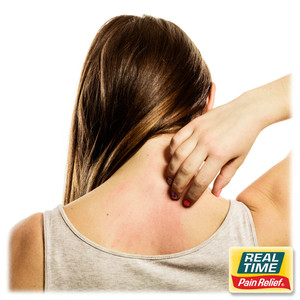
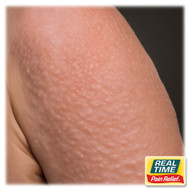
- Raised welts or hives
- Itching and burning
- Redness or patches of inflamed skin
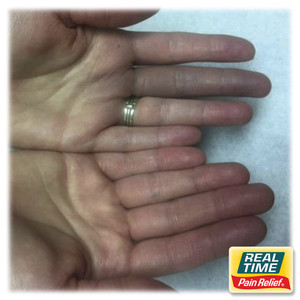
- Swelling of hands, feet, lips, or face
- Pain or sensitivity in the affected area
- In severe cases, whole-body reactions like dizziness or difficulty breathing (rare but possible with extreme cold or cold-water immersion)
Symptoms can be more frequent and intense during the colder months due to cold exposure.
Risk Factors
Anyone can develop cold urticaria, but certain factors may increase susceptibility:
- Recent viral infections
- Underlying immune-system irregularities
- Family history of cold-sensitive conditions
- Autoimmune or hematologic disorders
- Living in cold or unstable climates
Young adults are the most commonly affected, though it can appear at any age.
Diagnosis
A healthcare provider may diagnose cold urticaria using a combination of medical history, physical examination, and a cold stimulation test. During this test, a cold object (such as an ice cube in a plastic bag) is placed on the skin to see if a hive forms after the skin warms back up.
In some cases, additional blood tests may be done to rule out secondary causes.
Conventional Treatment
Although there is no cure for cold urticaria, symptoms can be managed effectively through:
- Antihistamines to block histamine release
- Avoiding cold triggers when possible
- Wearing insulated clothing
- Pre-warming the skin before going outdoors
- Carrying emergency medication if severe reactions have occurred
These methods help reduce flare-ups but do not eliminate the underlying sensitivity.
How Topical Creams With Nature’s Ingredients Can Help
While topical products cannot prevent cold urticaria, they can help soothe the skin, minimize irritation, and support the body’s natural recovery from symptoms caused by cold exposure.
1. Aloe Vera
Provides cooling, anti-inflammatory support and helps calm irritated skin.
2. Chamomile Extract
Rich in natural compounds that reduce redness, itching, and swelling.
3. Calendula
Helps with skin barrier repair and reduces localized irritation.
4. Comfrey Root
Contains allantoin, known for promoting skin regeneration and soothing discomfort.
5. Arnica
Beneficial in areas where swelling or minor bruising occurs from scratching or friction.
6. Menthol (low concentration)
Provides temporary relief from itching and burning sensations.
7. MSM (Methylsulfonylmethane)
Helps reduce skin sensitivity and supports tissue comfort.
When used properly, topical creams containing nature’s ingredients can act as supportive care, offering gentle relief after cold exposure triggers symptoms. For individuals with severe reactions, topical products should complement—not replace—medical care.
Lifestyle Strategies for Winter
- Layer clothing to keep skin warm.
- Avoid sudden drops in temperature.
- Moisturize regularly to prevent dry skin, which increases irritation.
- Avoid cold-water activities such as winter swimming.
- Use a humidifier indoors to reduce dryness.
- Pre-warm car seats, steering wheels, and gloves.
These simple adjustments can significantly reduce flare-ups during the winter months.
Conclusion
Cold urticaria may be a rare condition, but its impact on daily life—especially during winter—can be significant. Understanding triggers, symptoms, and management strategies is essential to staying comfortable. While medical care and avoidance strategies remain the primary treatments, nature’s ingredients in topical creams can provide an added layer of support to soothe irritated skin and ease discomfort after cold exposure.